Zytro Website
Website relaunch for a 3D visualization studio working across architecture, design, and technology.
Project overview

Role
UX/UI designer

Timeline
2024
Team
1 designer, 2 developers, CEO, 2 salespeople

Tools
Figma
Role
UX/UI designer
Timeline
2024
Team
1 designer, 2 developers, CEO, 2 salespeople
Tools
Figma




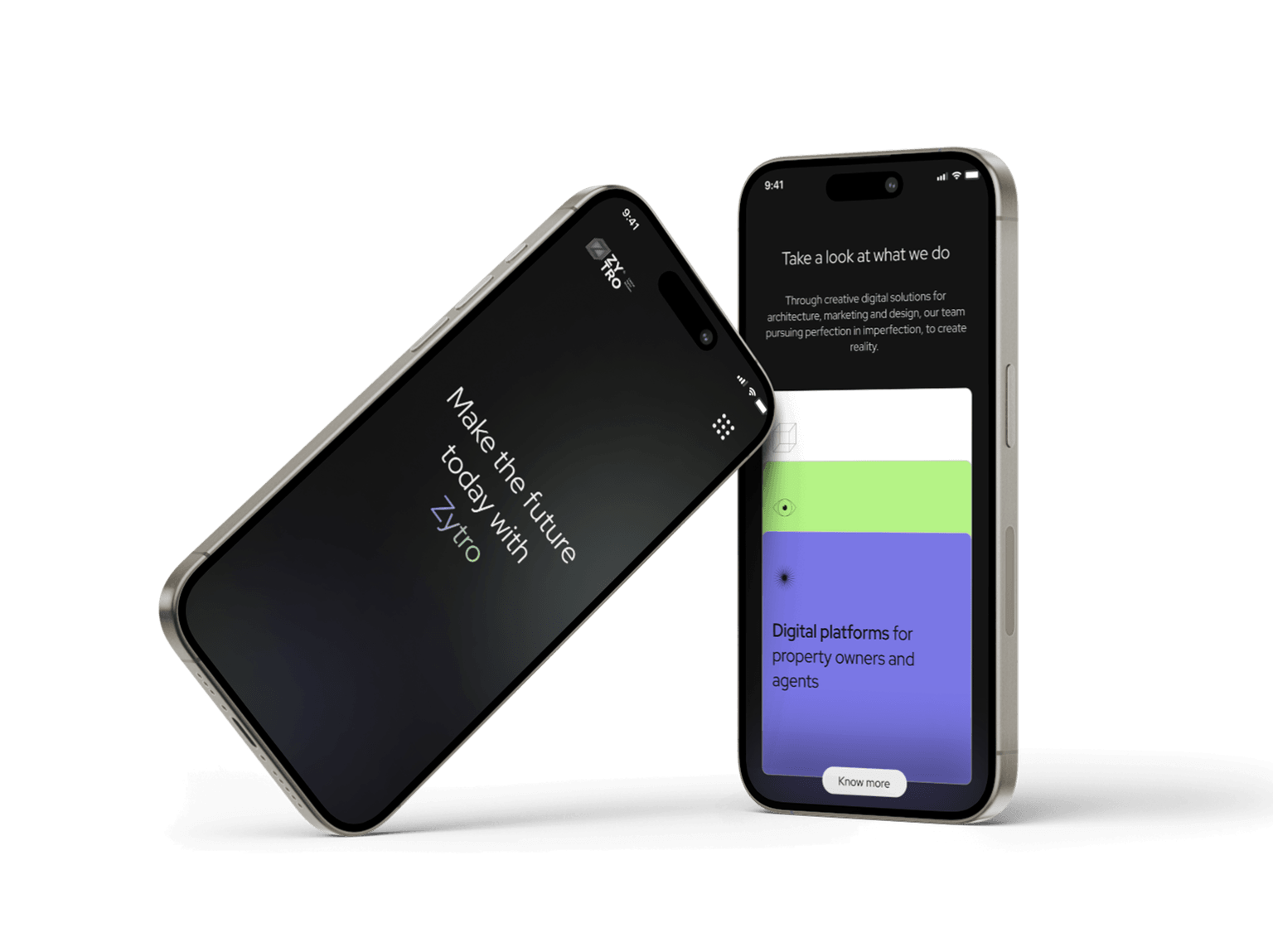
Zytro is a 3D visualization company for architecture and real estate, based in London, blending architecture, design, and technology to create immersive visuals and digital experiences.
This project was a website relaunch designed to reposition the brand and better match the quality of the work.
The goal
The relaunch had to make Zytro feel as advanced as the environments it creates.
The previous website did not fully express the studio’s range, visual ambition, or premium positioning.
The new one had to feel:
It also needed to:
elevate brand perception
present services more clearly
make the portfolio easier to explore
turn the site into a stronger expression of the studio’s identity
In this project, interface quality was part of brand positioning.
Creative direction
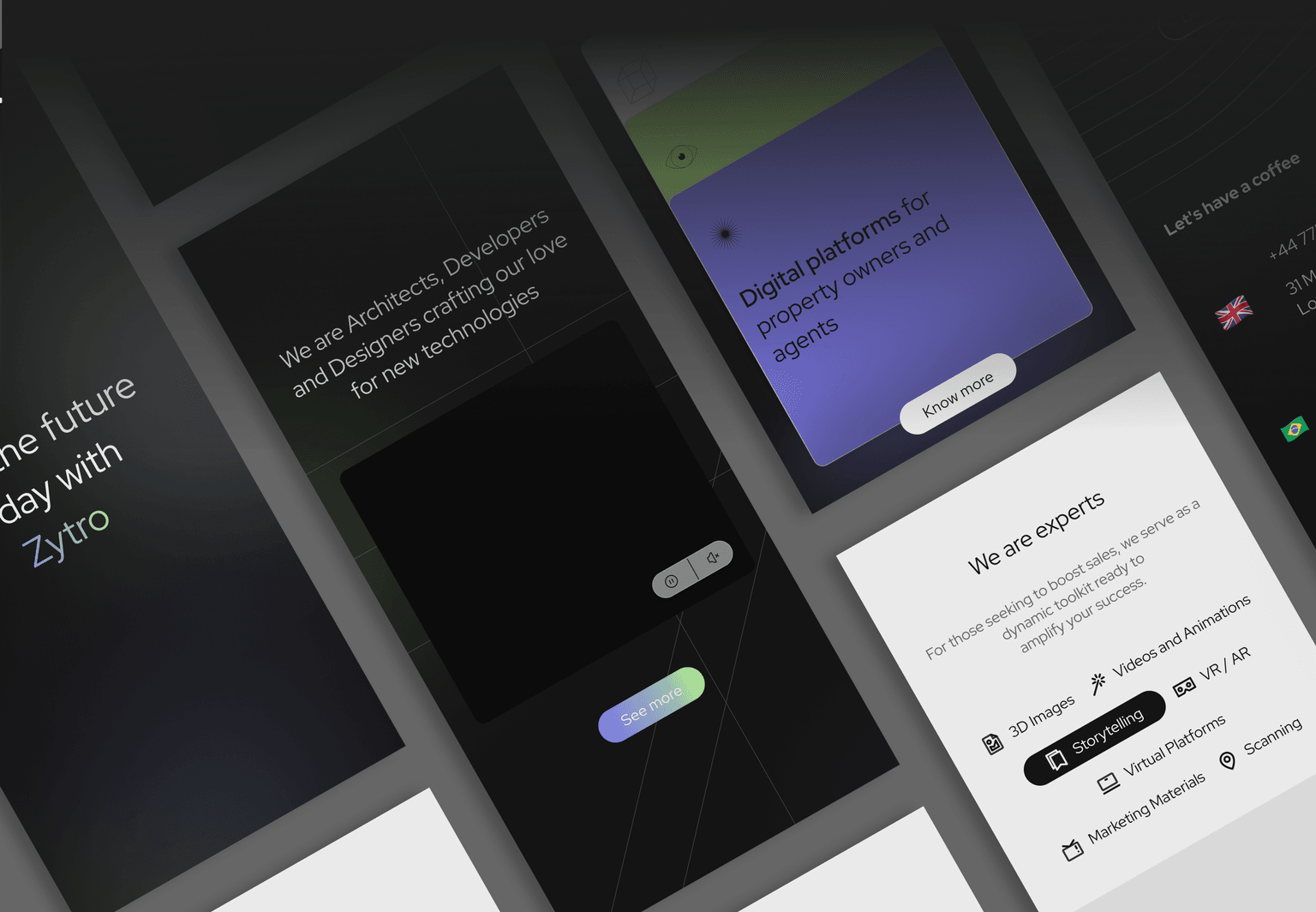
The direction was bold and cinematic.
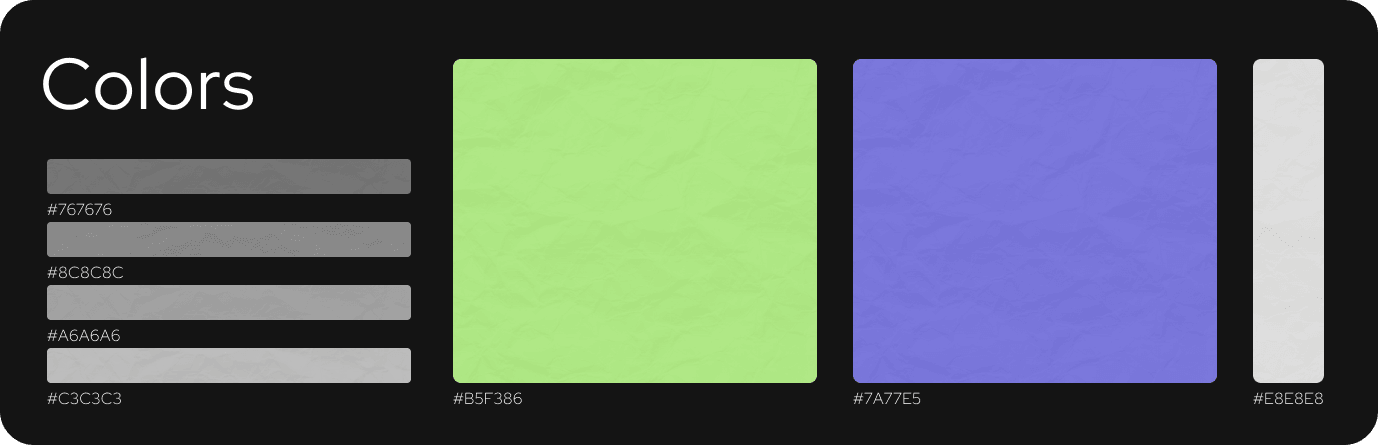
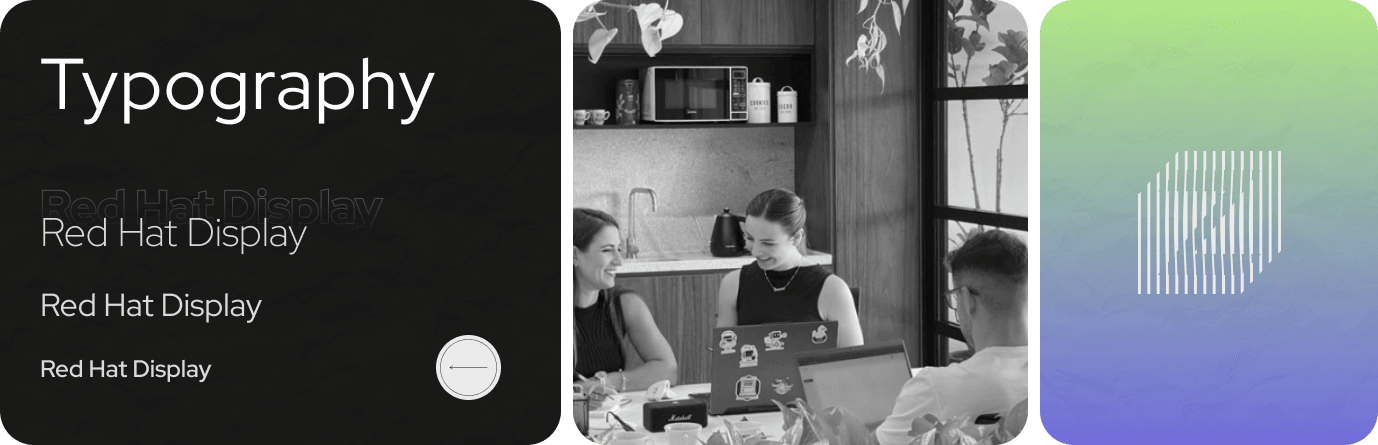
I used a dark interface as the base, then introduced:
The result felt:
Highlights of the website
Motion was used to guide attention, control pacing, and make the long-scroll experience feel alive.
Rather than treating sections as static blocks, I designed them to respond to scroll and work as part of one continuous visual system.
Parallax cards that reveal the company in layers
The company’s core areas were presented through stacked cards that moved one over another.
This gave each branch more presence and helped the section unfold with more rhythm.
A growing video reveal
One section paired Zytro’s core statement with a video that expanded during scroll.
That created a stronger transition from message to proof.
Client logos as a moving trust signal
Instead of a static logo wall, I used parallax and focus shifts to make social proof feel more dynamic.
This gave the section more presence without adding extra content.
A bento-style work section
The work section used a bento-style layout instead of a standard grid.
Project details opened inside the same page, which kept exploration fluid and reduced unnecessary navigation.
A direction-aware CTA
The CTA reacted to scroll direction.
That small behavior made the page feel more responsive and gave the call to action more presence.
Services through tabs
The services section used tabs to keep multiple offerings inside one space.
This reduced repetition and made the content easier to scan.
A team introduction built through transformation
This section introduced the team through a scroll-based transition.
Shape, image, and text changed together, making the reveal feel more dynamic and less static.
A team grid that reacts to scroll
The team section used motion to stay consistent with the rest of the site.
Even supporting content needed to feel intentional.
A footer that arrives like a final scene
The footer was designed as part of the experience, not just an ending.
It entered with motion and helped the site close with the same energy it opened with.
Outcome
The final site gave Zytro a stronger and more contemporary digital presence.
It felt more premium, more distinctive, and more aligned with the level of the work.
The relaunch was also recognized by Awwwards as a Nominee.